
Stel een vraag
Met het formulier hier onder kunt u contact op nemen met boekwinkel De Slegte.
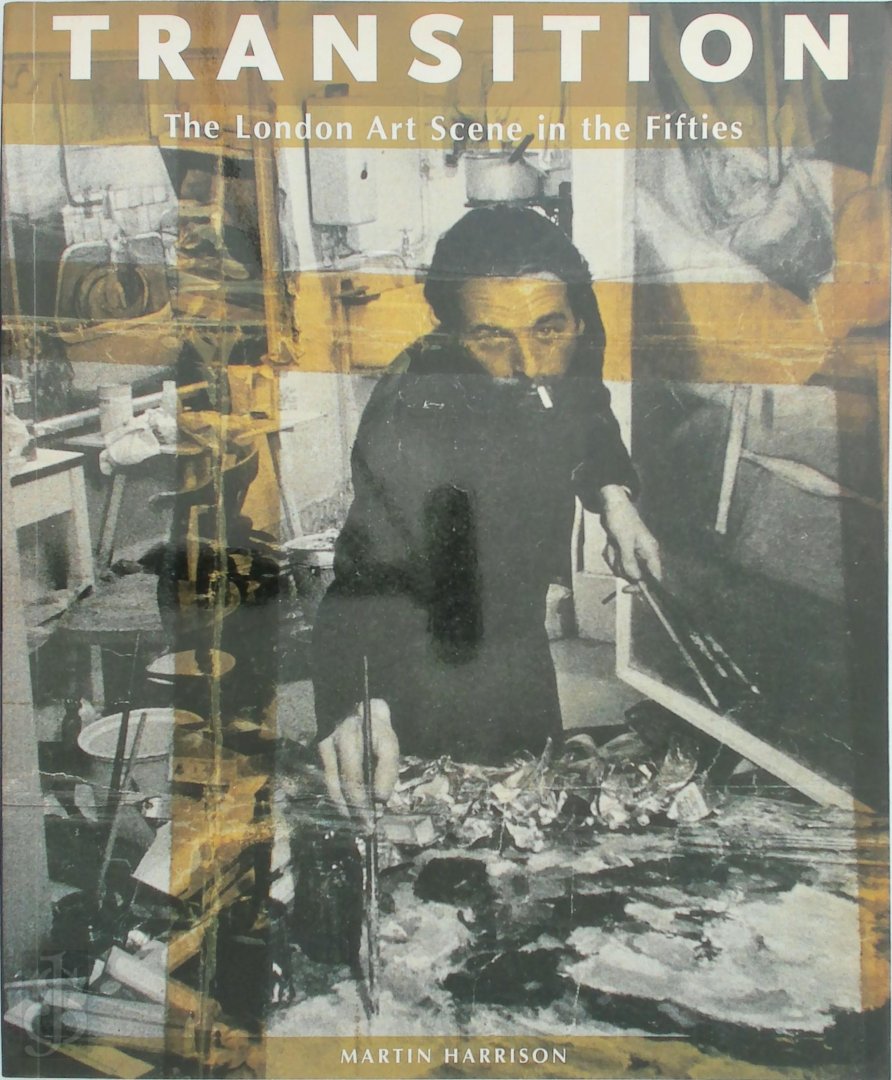
Martin Harrison - Transition The London Art Scene in the Fifties
De vraag gaat over de volgende titel:
| Afbeelding: |
|
|---|---|
| Schrijver: | Martin Harrison |
| Titel: | Transition The London Art Scene in the Fifties |
| ISBN: | 9781858941721 |
| Uitgever: | Merrell |
| Bijzonderheid: | Goed, 2002, Paperback, 192p |
| Prijs: |
€ 17,50
€ 3,50
|
| Meer info | London in the 1950s was a city in transition. From its post-war bombsites and rolling smog-balls at the beginning of the decade through to the packed movie theaters and Soho coffee shops at the end, London experienced a huge change in its attitudes.During this transitional period, a disparate group of artists formed, characterized by a sense of fun, brio, and a dash of genius. The so-called Independent Group of artists and designers living in London at this time -- including Francis Bacon, Lucian Freud, and David Hockney -- had in common a fascination with the American experience of the 1950s. American artists' response to the new 50s American consumerism found fertile ground in London, and helped to shape modernist expression all over Britain.Transition: The London Art Scene in the 1950s is a lively and entertaining account of how London artists, designers and architects of the time responded to the changing world around them with new forms based on mass media, collage, and new technology.With illustrations of the most important works of this period, and a multi-disciplinary approach that sets the art scene in its wider social and cultural context, this is a book that evocatively captures the heterogeneity of London's working artists, and the innovations they brought. |
| Boek bekijken | |

De verkoper zal binnen 3 werkdagen contact met u opnemen om de koop verder af te handelen.